 By Ty Kelly
Introduction: More Than a Drink—A Cultural Heritage in a Glass
Wine is far more than a beverage. It is a symbol of culture, celebration, refinement, and ancient tradition. From the vineyards of Burgundy to the sun-kissed valleys of Napa, wine carries within it the essence of the land, the touch of human hands, and the slow unfolding of time. For thousands of years, it has been poured at the tables of kings and peasants alike, marking moments of joy, reflection, and connection.
In today’s fast-paced world, wine retains its quiet grace—inviting us to slow down, savor, and celebrate the complexity of nature and craftsmanship. This article takes a deep dive into the world of wine, from its storied history and production process to the etiquette of tasting and the art of pairing. Whether you’re a seasoned connoisseur or a curious beginner, this exploration promises to enhance your appreciation of the vine’s most elegant offering.
The Origins of Wine: A Journey Through Time
The history of wine is as rich and layered as the drink itself. Archaeological evidence suggests that wine production began as early as 6000 BCE in the regions of Georgia, Iran, and Armenia. As civilizations flourished, wine became integral to social, religious, and economic life.
Wine Through the Ages
-
Ancient Egypt and Greece: Wine was revered and often associated with the divine. The Greeks celebrated Dionysus, the god of wine, as a symbol of ecstasy and transformation.
-
Roman Empire: Rome expanded viticulture across Europe, laying the foundation for modern wine regions in France, Spain, and Germany.
-
Medieval Monasteries: Monks played a vital role in preserving winemaking techniques, especially during times of war and social upheaval.
-
The New World: The 16th century saw the introduction of grapevines to the Americas, South Africa, and Australia, broadening wine’s global footprint.
The Art and Science of Winemaking
Winemaking is both a science and an art—a delicate balance between human skill and natural forces.
Key Stages in Wine Production
-
Harvesting: Grapes are picked at optimal ripeness, often by hand in high-quality vineyards.
-
Crushing and Pressing: The juice is extracted from the grapes, with skins either included (for red wines) or removed (for whites).
-
Fermentation: Yeast converts sugar into alcohol. This step significantly influences flavor, aroma, and body.
-
Aging: Wines may age in stainless steel tanks, oak barrels, or bottles to develop complexity.
-
Bottling: Once matured, the wine is filtered, stabilized, and sealed for sale or further aging.
Factors Influencing Wine Quality
-
Terroir: A French term describing the unique combination of soil, climate, and topography of a vineyard.
-
Grape Variety: Each varietal—Cabernet Sauvignon, Pinot Noir, Chardonnay, and others—has distinct characteristics.
-
Vinification Techniques: Methods such as malolactic fermentation, barrel aging, and blending play critical roles in shaping the final profile.
Types of Wine: A Global Spectrum of Styles
Wine comes in many styles, each with its own character and charm.
Red Wine
-
Made from dark-skinned grapes with skin contact during fermentation.
-
Known for bold flavors, tannins, and aging potential.
-
Popular varietals: Merlot, Syrah, Cabernet Sauvignon, Pinot Noir.
White Wine
-
Typically made from green-skinned grapes with minimal skin contact.
-
Fresh, aromatic, and often lighter in body.
-
Popular varietals: Chardonnay, Sauvignon Blanc, Riesling, Pinot Grigio.
Rosé
-
Produced by briefly fermenting red grapes with skins or blending red and white wines.
-
Offers fruity, refreshing notes with moderate acidity.
Sparkling Wine
-
Contains natural carbonation from secondary fermentation.
-
Champagne, Prosecco, and Cava are popular styles.
-
Associated with celebration and sophistication.
Dessert and Fortified Wines
-
Include Port, Sherry, and late-harvest varietals.
-
Often sweet and higher in alcohol content, perfect for after-dinner enjoyment.
The Ritual of Wine Tasting: A Sensory Experience
Wine tasting is a practice of mindfulness—a slow, attentive encounter that involves sight, smell, taste, and reflection.
Steps to Proper Tasting
-
Observe: Look at the wine’s color and clarity in a well-lit glass.
-
Swirl: Gently swirl to release aromatic compounds.
-
Smell: Inhale deeply to detect primary (fruit), secondary (fermentation), and tertiary (aging) aromas.
-
Sip: Take a small sip and let it coat your palate, noting balance, texture, acidity, and finish.
Tasting Tips
-
Use clean, tulip-shaped glasses.
-
Taste wines from light to full-bodied.
-
Avoid strong scents (perfume, aftershave) which interfere with the nose.
The Art of Pairing Wine with Food
When matched thoughtfully, wine and food elevate each other, creating a harmonious culinary experience.
Classic Pairing Principles
-
Red Wine with Red Meat: Tannins complement the richness of steak, lamb, and game.
-
White Wine with Seafood and Poultry: Acidity balances delicate flavors.
-
Sweet Wine with Spicy Dishes: Sugar offsets heat, enhancing complexity.
-
Sparkling Wine with Fried Foods: Bubbles cleanse the palate and contrast textures.
Modern Pairing Ideas
-
Rosé with Grilled Vegetables or Charcuterie
-
Riesling with Thai or Indian Cuisine
-
Chardonnay with Creamy Pasta Dishes
-
Pinot Noir with Mushroom Risotto or Duck
Wine Etiquette: Savoring with Sophistication
Understanding wine etiquette adds a touch of grace to any dining or social experience.
Essential Etiquette Guidelines
-
Hold the glass by the stem to avoid warming the wine.
-
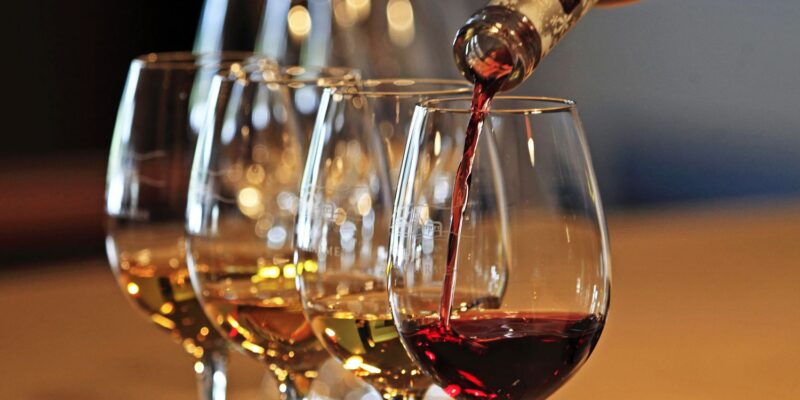
Pour with care: Fill glasses only to the widest part of the bowl.
-
Taste before committing: In formal settings, sip a small amount when offered to assess quality.
-
Toast with eye contact: A sign of respect and genuine connection.
Conclusion: A Liquid Expression of Art and Life
Wine is not just something we drink—it’s something we experience. It tells stories of soil and season, of families and artisans, of celebrations and quiet evenings by candlelight. It evokes emotion, memory, and sensory pleasure. In every sip lies a whisper of the vineyard, a moment suspended in time, an invitation to pause and appreciate the beauty that life offers.