 By Ty Kelly
Understanding Habitual Micro Tensions in Modern Living
Most people carry tension patterns that they do not even notice. These are not the obvious aches that push someone to rest or stretch. They are subtle, repetitive micro tensions that build up silently in the background of daily life. Sitting for long periods, leaning toward a screen, gripping the shoulders during conversations, tightening the jaw during stressful tasks, or holding the breath without realising it all contribute to these hidden patterns. Over time, these micro tensions shape the neuromuscular system, influencing posture, emotional states, and long term comfort.
Modern living in Singapore often encourages these patterns. Long commutes, heavy screen usage, high mental workloads, and time spent in air conditioned environments can cause small but persistent tension in the shoulders, neck, hips, lower back, and hands. For many people, these patterns remain unnoticed until they affect sleep, concentration, or overall physical ease.
In recent years, more individuals searching for a structured and sustainable solution to these daily discomforts have turned to practices such as yoga Singapore, where slow flow classes offer a profound way to retrain the neuromuscular system.
What Is Neuromuscular Repatterning
Neuromuscular repatterning refers to the process of retraining how the brain communicates with the muscles. The brain forms movement habits based on repeated actions, even if those actions are uncomfortable or unhealthy. When micro tensions become habitual, the brain begins to assume they are normal. Slow flow yoga challenges these assumptions by slowing movement down enough for practitioners to notice, adjust, and rebuild healthier neuromuscular connections.
This repatterning process is not about flexibility or performing advanced poses. It is about retraining the nervous system to release tension, activate the right muscles at the right time, and stop relying on compensations that develop from years of daily habits.
Key elements of neuromuscular repatterning include:
-
Breaking automatic movement cycles
-
Rebuilding awareness of small muscle groups
-
Releasing unnecessary tension
-
Improving muscle sequencing
-
Reinforcing balanced posture
-
Developing coordinated movement
When the brain learns new patterns, the body becomes more relaxed, stable, and efficient.
Why Slow Flow Is Ideal for Repatterning the Neuromuscular System
Many exercises focus on muscle strength or cardiovascular intensity, but slow flow yoga emphasises conscious timing, sensory awareness, and smooth transitions. These qualities create an environment where the brain can slow down, observe the body deeply, and recreate new patterns.
Slow flow works especially well for repatterning because it:
-
Enhances sensory awareness
-
Increases proprioception
-
Highlights movement habits
-
Reduces compensations
-
Encourages breath linked movement
-
Activates stabilising muscles that often remain dormant
In fast paced activities, the nervous system reacts instead of learning. Slow flow gives space for learning, observing, feeling, and adjusting in real time.
How Habitual Micro Tensions Form
Micro tensions often arise from repeated behaviours that seem harmless. They grow gradually and are maintained by the nervous system as a protective mechanism. Once they become ingrained, the brain starts to activate certain muscle groups by default, even when they are not needed.
Common contributors include:
-
Typing with raised shoulders
-
Holding the breath during tasks
-
Sitting with collapsed posture
-
Standing with locked knees
-
Tightening the lower back during stress
-
Clenching the jaw in deep focus
-
Using one side of the body more than the other
These habits reinforce themselves daily. Without intervention, they shape postural behaviour, movement efficiency, and physical comfort.
How Slow Flow Interrupts Old Patterns
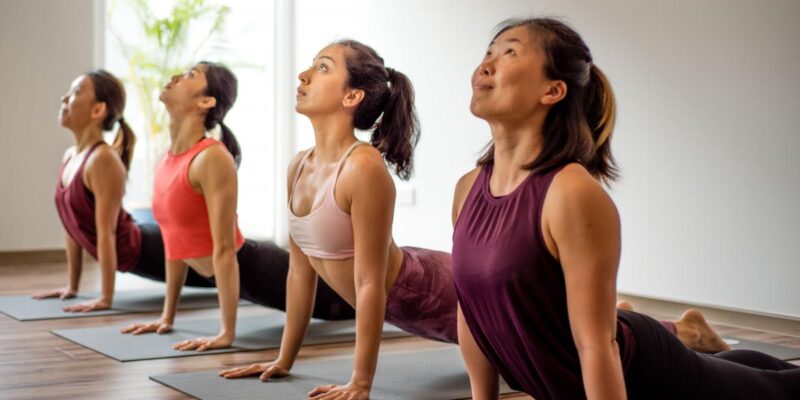
Slow flow sequences often move at a pace that encourages practitioners to feel every micro movement. When someone lifts their arms, steps forward, folds down, or rises up, the slower timing reveals exactly where tension hides. Instead of rushing through motions, practitioners can explore the subtleties of muscle engagement, joint alignment, and breath coordination.
Slow transitions encourage:
-
Awareness of unnecessary tightening
-
The release of habitual gripping
-
Engagement of stabilising muscles
-
Balanced weight distribution
-
Proper breathing that supports movement
Through repetition, the brain learns which muscles to activate and which muscles to relax.
Key Neuromuscular Benefits of Slow Flow Practice
Improved Proprioception
Proprioception refers to the ability to sense the position and movement of the body. Slow flow heightens proprioception by creating deliberate, mindful movements. When practitioners slow down, they begin to sense small shifts in weight, balance, and alignment that often go unnoticed in faster activities.
Rebuilding Core Stability
Micro tensions often disrupt core stability. People may grip their lower back instead of engaging deeper core muscles. Slow flow helps rebuild proper sequencing by teaching the brain to activate stabilising groups first, rather than relying on compensations.
Better Joint Alignment
When movement slows down, people can correct joint positions more accurately. This prevents habitual sinking into joints or overusing surrounding muscles.
Enhanced Breath Coordination
Breath is central to neuromuscular repatterning. Slow flow connects movement with steady breath, teaching the nervous system to remain calm and balanced even during mild challenge.
Reduction of Emotional Tension
Emotions such as stress, anxiety, and frustration often express themselves through muscle activation patterns. Slow flow resets these cycles by helping the body recognise safety and relaxation.
The Anatomy of Micro Tension Release
Micro tension release is not a large, dramatic process. It is subtle and develops over time. When the body experiences slow, controlled movement, it begins to let go of unnecessary contractions.
Major tension release areas include:
-
Neck and upper traps
-
Hip flexors
-
Lower back
-
Jaw and facial muscles
-
Wrists and fingers
-
Diaphragm and intercostal muscles
Each of these areas holds micro tensions that influence the whole movement system.
How Singapore’s Lifestyle Patterns Shape Neuromuscular Needs
Singapore’s urban environment shapes movement habits significantly. Many people spend long hours in controlled indoor spaces where air conditioning creates cool, tight sensations in the muscles. Commuting, digital work, and high cognitive focus also reinforce tension.
Common patterns among Singapore residents include:
-
Forward head posture from screen use
-
Rounded shoulders from laptop work
-
Tight hips from prolonged sitting
-
Lower back discomfort from long commutes
-
Jaw tension from stress
-
Wrist strain from typing
Slow flow helps counteract these patterns by offering a space to unwind them safely and gradually.
Practical Elements in Slow Flow That Support Repatterning
Repeated Transitions
Repeating movements such as stepping forward or rising from a fold encourages the brain to refine motor control.
Longer Holds
Sustained holds allow the body to explore stability and release unnecessary effort.
Smooth Sequencing
Gradual transitions help build neuromuscular memory. The nervous system learns best through repetition and smoothness rather than speed.
Grounded Postures
Grounded poses such as forward folds, low lunges, and seated twists reduce external load and encourage internal awareness.
Cross Body Movements
Cross body patterns integrate both hemispheres of the brain and encourage coordinated, balanced movement.
The Emotional Connection to Neuromuscular Patterns
The nervous system stores emotional experiences in the body. When stress becomes habitual, micro tensions often accompany it. Slow flow practices help release these emotional patterns by creating safety and awareness. When someone finally relaxes their shoulders or softens their jaw, they may also feel mental clarity or emotional relief.
This connection works both ways. A relaxed body supports a calmer mind, and a calmer mind supports more efficient neuromuscular patterns.
Why Slow Flow Works Better Than Fast Sequences for Repatterning
Fast movements can be beneficial for cardiovascular health, but they are less effective for neuromuscular repatterning because the brain moves into reactive mode instead of learning mode. In slow flow, every movement becomes a chance to refine control.
Slow flow allows practitioners to:
-
Notice compensations
-
Correct alignment
-
Build sensory awareness
-
Strengthen stabilisers
-
Improve breath regulation
-
Create new motor patterns that last
This learning environment is essential for long term physical change.
How Long Term Practitioners Experience Benefits
People who practise slow flow consistently notice profound improvements in their daily life. They sit more comfortably, walk with better posture, breathe more deeply, and feel more grounded. Many report that long standing tension patterns finally begin to release.
Common long term improvements include:
-
Easier movement
-
Reduced stiffness
-
Better sleep
-
Stronger emotional stability
-
Improved coordination
-
More balanced posture
-
Greater physical confidence
The nervous system becomes more adaptable and efficient.
The Role of Skilled Guidance in Repatterning
For neuromuscular repatterning to be effective, guidance matters. Skilled teachers understand how to cue movement in a way that encourages awareness rather than pressure. They help students identify subtle patterns, release unnecessary effort, and discover more efficient ways of moving.
Practitioners often experience the strongest improvements in studios that value mindful movement, supportive pacing, and attention to detail. One example is Yoga Edition, where slow flow classes encourage students to retrain their bodies with precision and awareness.
FAQ About Neuromuscular Repatterning Through Slow Flow
Q1. How long does it take to see changes in neuromuscular patterns?
Most people notice small improvements within a few weeks, especially in posture and breath awareness. Deeper repatterning develops over a few months of consistent practice.
Q2. Is slow flow suitable for people with chronic tension?
Yes. Slow flow is ideal because it does not force the body. It encourages gradual release and retraining, which work well for chronic patterns.
Q3. Can slow flow help improve balance and coordination?
Absolutely. Because movements are deliberate, the brain builds stronger connections that support coordinated and stable movement.
Q4. Does slow flow build strength or only release tension?
It does both. The practice strengthens stabilising muscles while teaching the body to relax unnecessary tension.
Q5. Can slow flow help with mental stress as well?
Yes. When the body releases micro tensions, the mind often follows. Slow, mindful movement reduces emotional strain and supports clarity.